A Unique Legacy in Canine History
Tracing the Origins, Development & Modern Role of the Bedlington Terrier
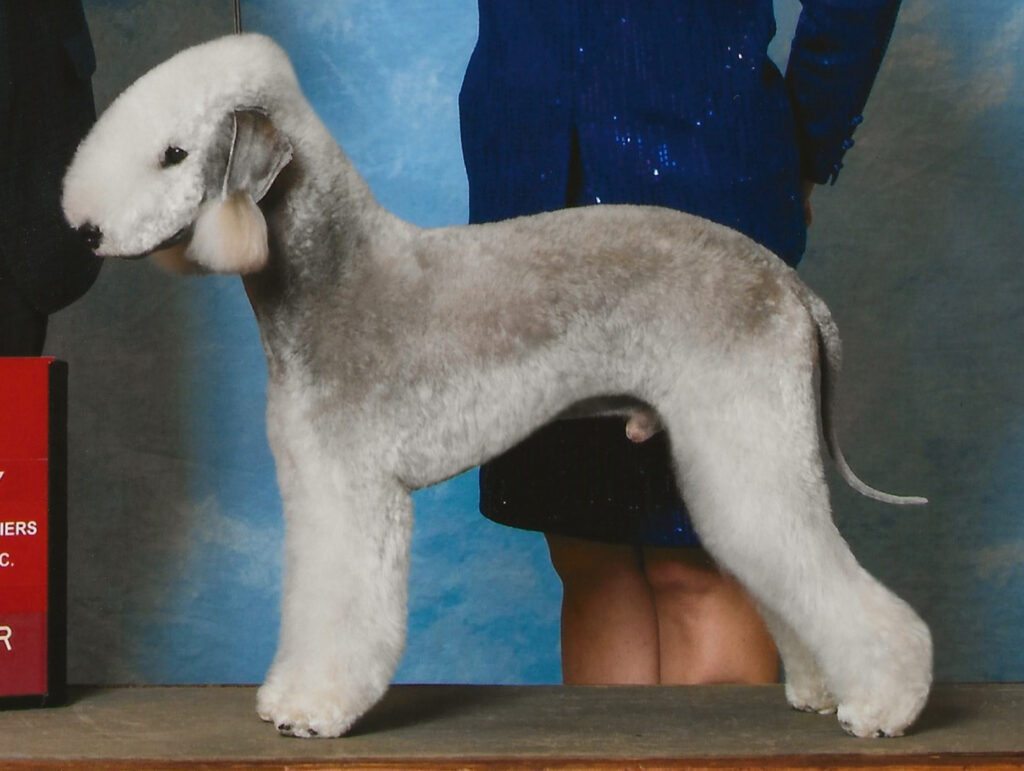
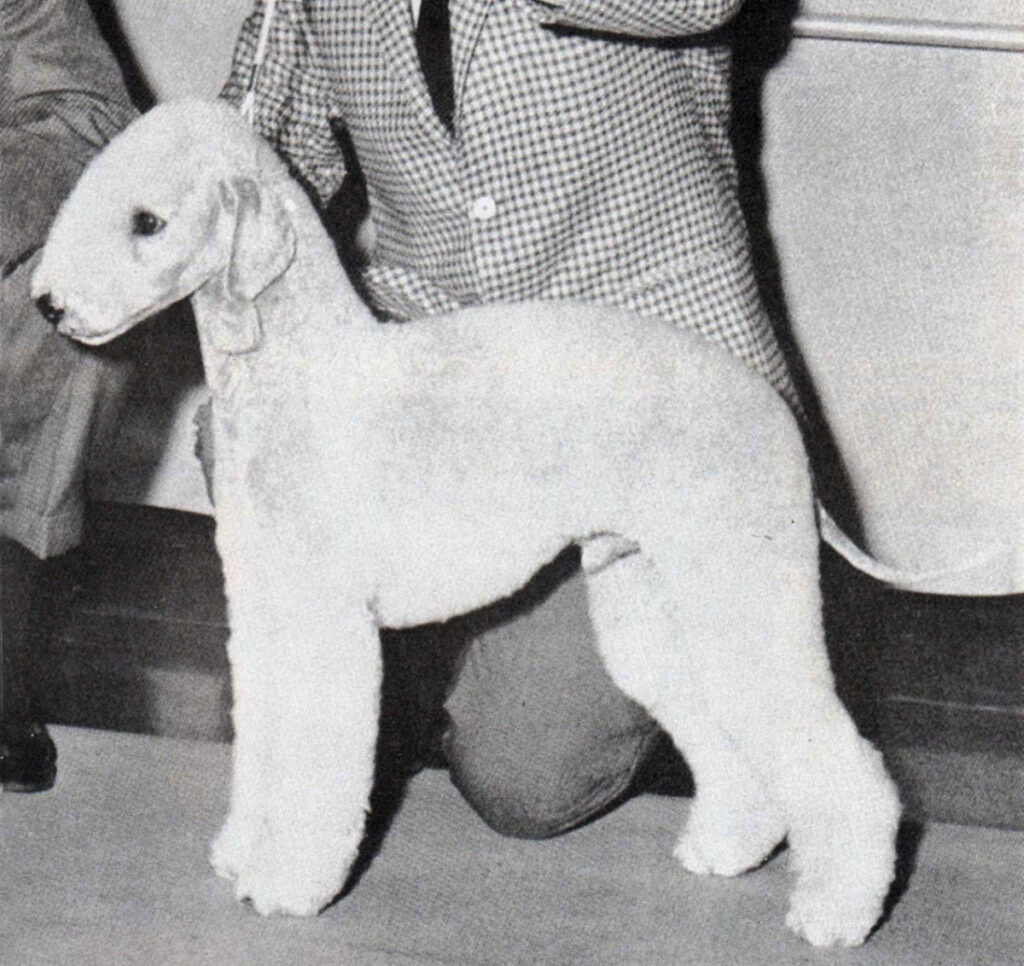
The Bedlington Terrier stands out among purebred dogs for its singular appearance and remarkable friendly personality. Often mistaken for a lamb due to its soft, curly coat and distinctive build, this breed’s gentle yet spirited nature has earned it admiration for generations. The Bedlington’s story is one of purposeful breeding, adaptation, and transformation—from a rugged working dog of Northumberland, England, to a beloved family companion and show dog worldwide.
Origins in Northumberland: The Rothbury Terrier Connection
The Bedlington Terrier’s roots run deep in the mining communities of Northumberland, England. In the late 18th and early 19th centuries, the region, known for its coal mines and expanding towns, attracted families from southern England and beyond. These migrants brought with them various breeds of terriers, which were used for hunting, sport, and companionship. The terriers concentrated in the Rothbury Forest area became known collectively as Rothbury Terriers.
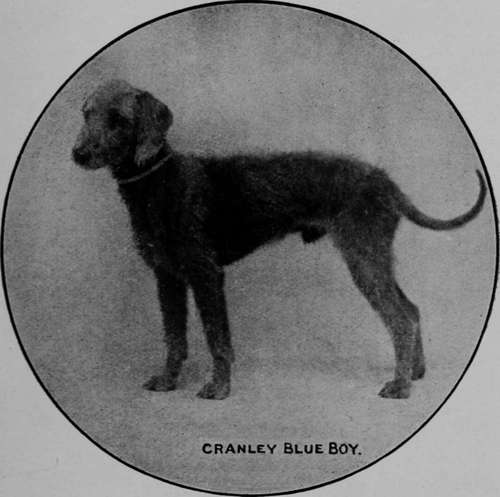
Among those who helped shape the breed was Squire Trevelyan, who owned a notable strain of terriers in 1782. These dogs were prized for their stamina, courage, loyalty, and determination. They possessed long muscular jaws, narrow heads, flat cheeks, and flat, deep ribs. Their ears hung close to the head, and many displayed a distinctive liver-colored coat. These traits set the foundation for what would become the Bedlington Terrier.
The word ‘terrier’ itself signifies dogs that ‘go to earth’ to hunt. In the rugged terrain of Northumberland, terriers were evaluated for their prowess at hunting vermin and rodents. Early breeders experimented with crossing various dogs to enhance specific qualities. Otterhounds may have contributed endurance and strength, sighthounds were valued for speed, and other for their unique coat. Even Bull terriers were thought to add a measure of feistiness. The precise mix remains uncertain, as record keeping in the late 1700s was sporadic.
Breed Development & Early Influences
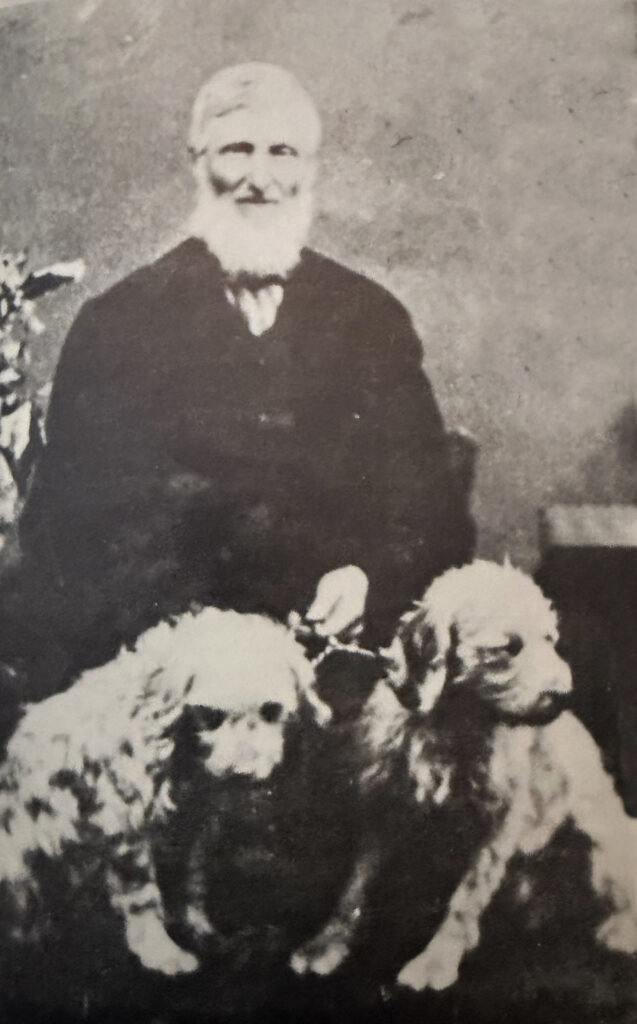
A distinction arose between long-legged and short-legged terriers. The latter became known as Dandie Dinmont Terriers, while the former, better suited for catching rabbits and working in water, eventually took the Bedlington name. These dogs were highly competitive and rarely worked in pairs, reflecting their ‘game’ temperament—what today might be considered aggressive.
Formal Recognition & Standardization
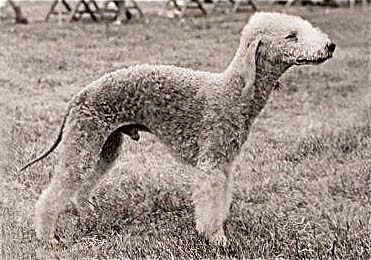
The formal naming of the Bedlington Terrier came about in the early 19th century with the efforts of breeders like Joseph Ainsley, who bred a dog named Peachum to Phoebe, resulting in Piper—a slender, liver-colored dog with characteristic large ears. Subsequent breedings, including the union of Anderson’s Piper and Coates’s Phoebe, produced Ainsley’s Piper, whose location inspired the breed’s official name ‘Bedlington Terrier.’
The Bedlington’s Iconic Appearance
Selective breeding further refined the Bedlington’s appearance, emphasizing its long narrow head, slightly arched back, and curly, lamb-like coat. These breedings contributed to the Bedlington’s signature look and athleticism.
Role in Hunting & Vermin Control
Throughout the 19th and early 20th centuries, Bedlington Terriers were valued as working dogs. Their speed, courage, and tenacity made them adept at hunting a variety of game, including rabbits, rats, martens, badgers, foxes, polecats, and even otters. Masters admired their stamina and ability to work both above and below ground, and the breed earned a reputation as ‘the fastest terrier.’
Transition to Family Companion & Show Dog
With the advent of urbanization in the 20th century, the demand for working dogs declined. The Bedlington Terrier adapted to its new role as a family companion and show dog, valued for its elegant appearance, affectionate disposition, and hypoallergenic coat. The breed’s versatility shone through in competitions for conformation (appearance) and performance, maintaining its connection to its working roots.
The Modern Bedlington Terrier
Today, the Bedlington Terrier is recognized by major kennel clubs worldwide, including the American Kennel Club (AKC) and the United Kennel Club (UKC). Although less common than some other terrier breeds, Bedlingtons enjoy a devoted following among enthusiasts. They excel in obedience, agility, and therapy work, and are cherished for their loving, playful, adaptable, and obedient nature. Dog shows continue to celebrate both their conformation and their abilities in the field.
The Bedlington Terrier’s enduring legacy is a testament to the power of selective breeding and the lasting bond between humans and dogs. From its beginnings in the coal-rich lands of Northumberland to its status as a family companion and competitor, the Bedlington Terrier has maintained its blend of courage, athleticism, and loving charm. Its unique story reflects the evolution of canine roles—from worker to family member—and the continuing appreciation of a breed that is as distinctive in spirit as it is in appearance.